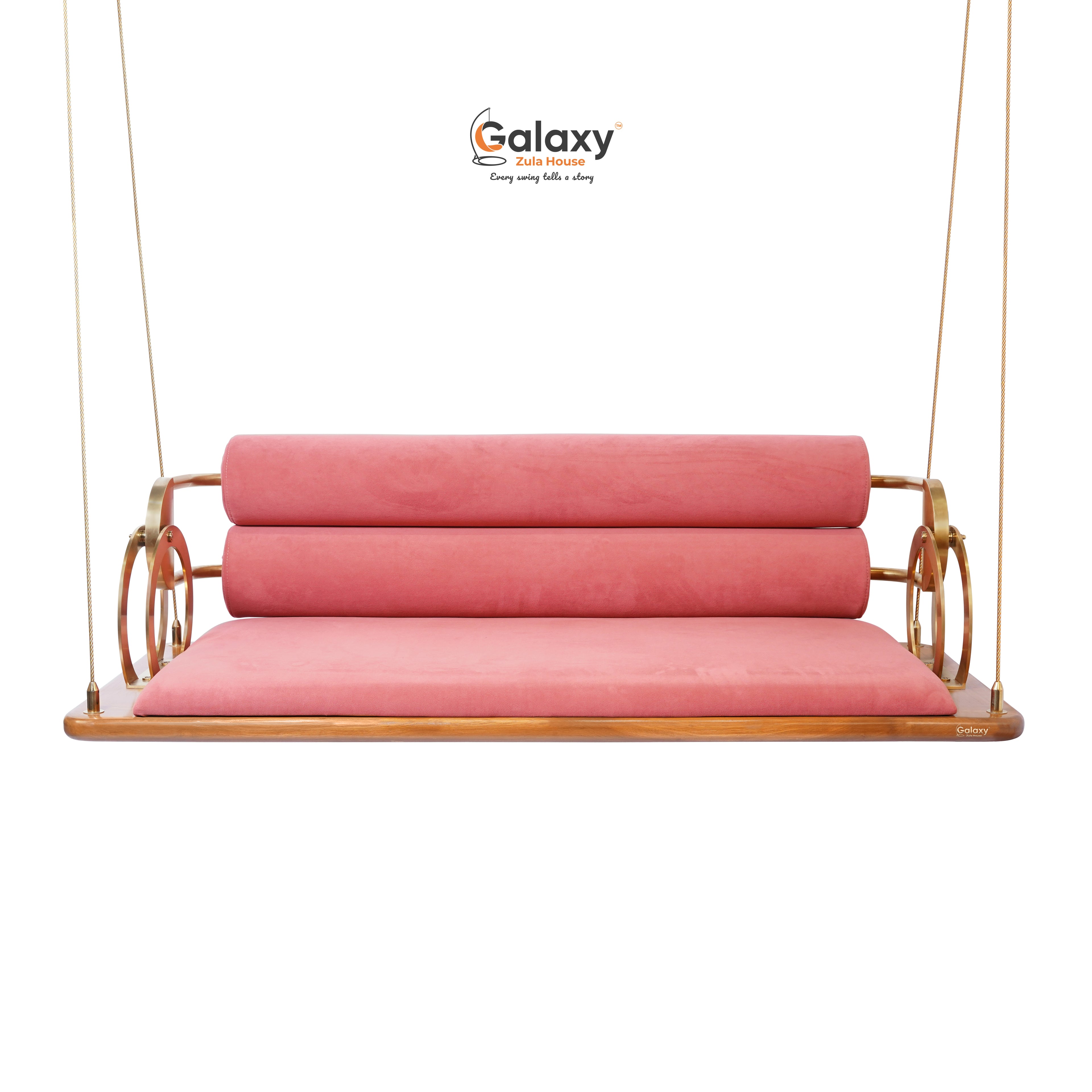
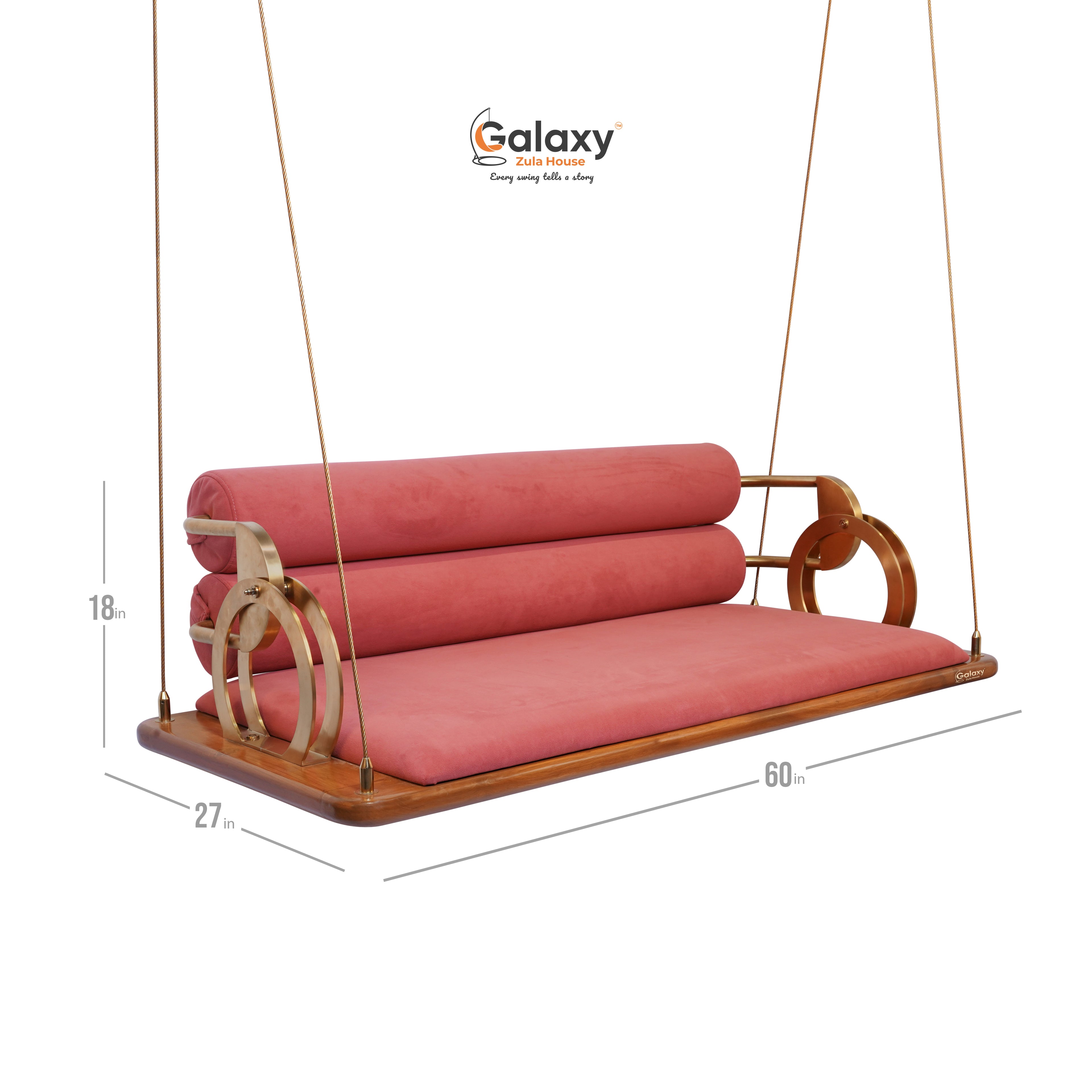
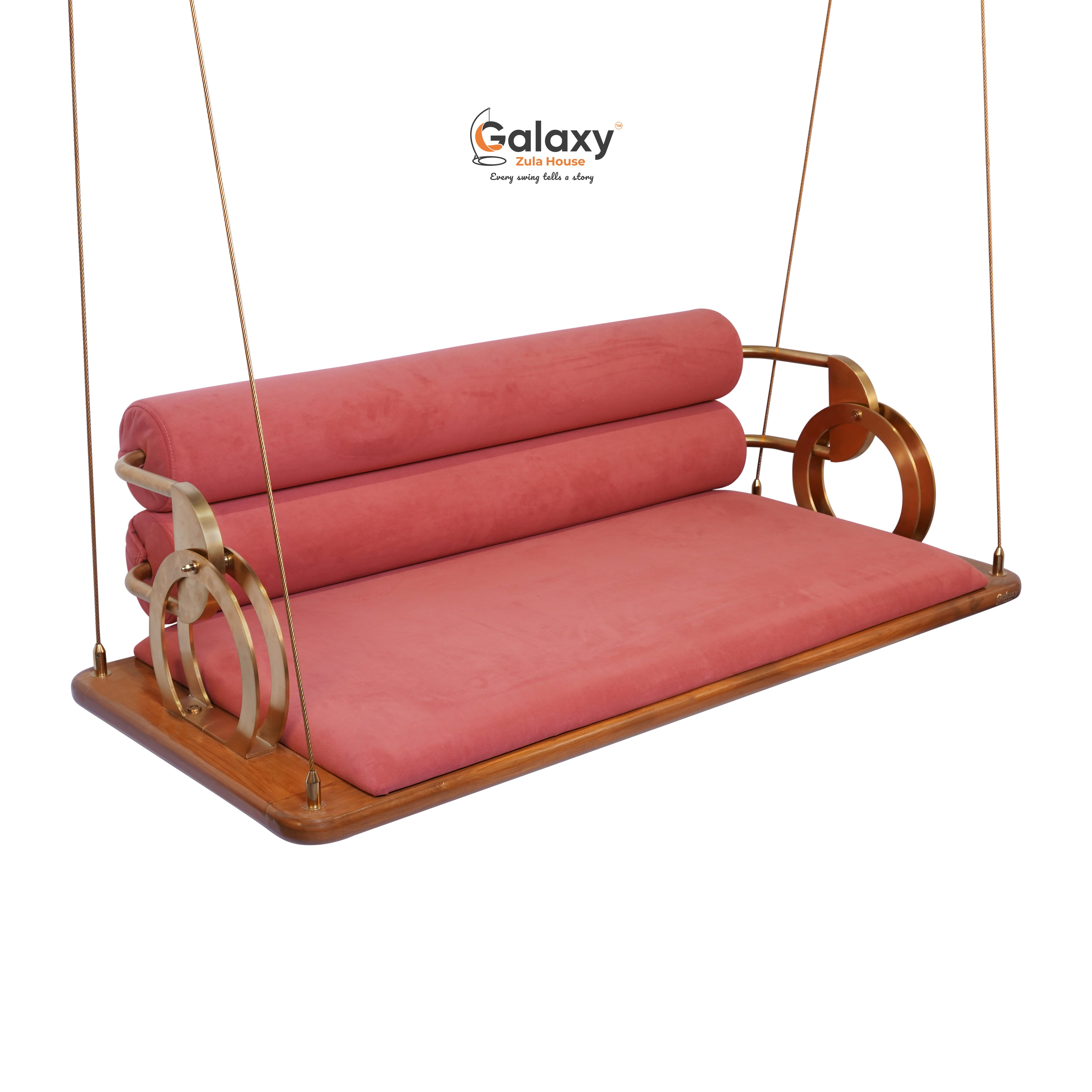
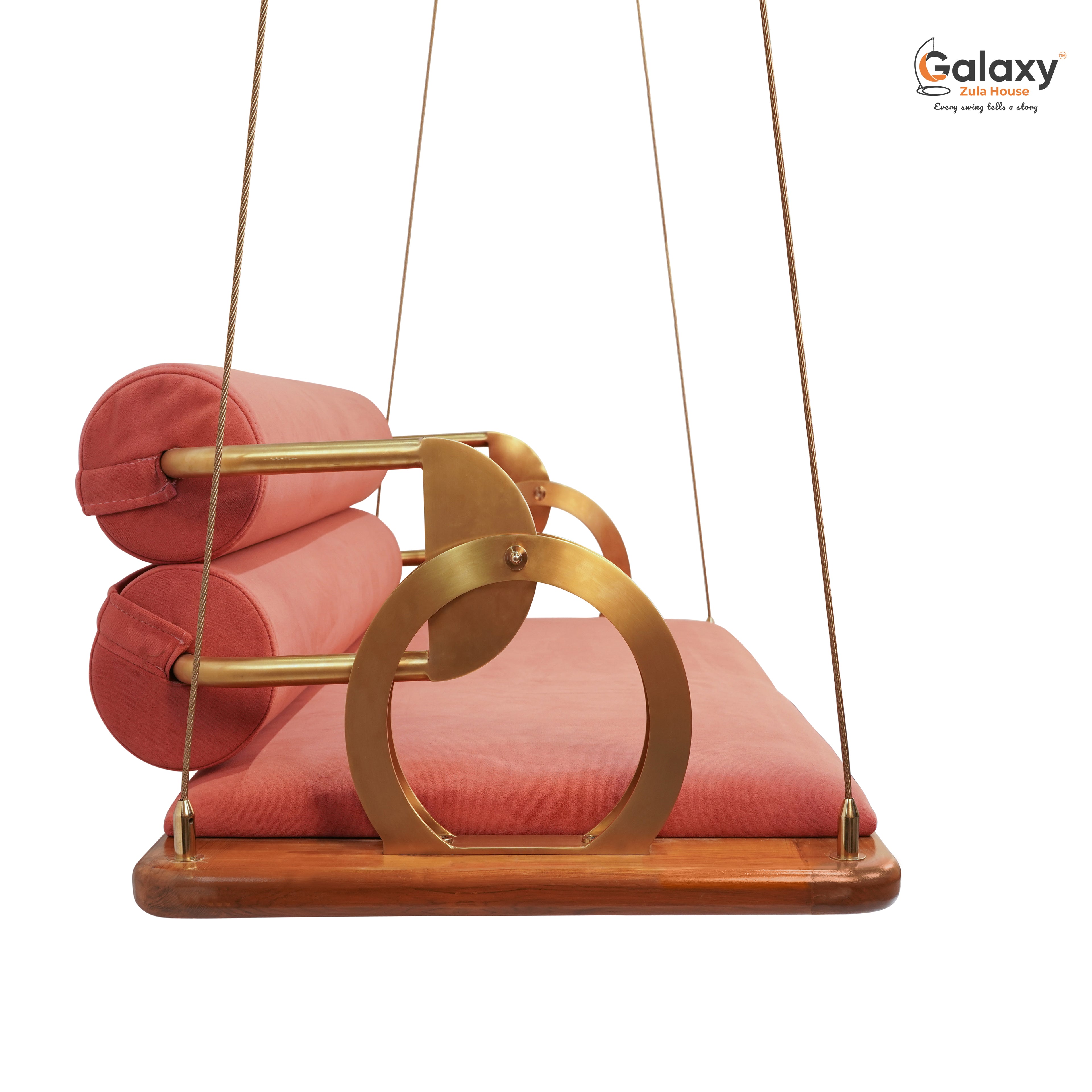
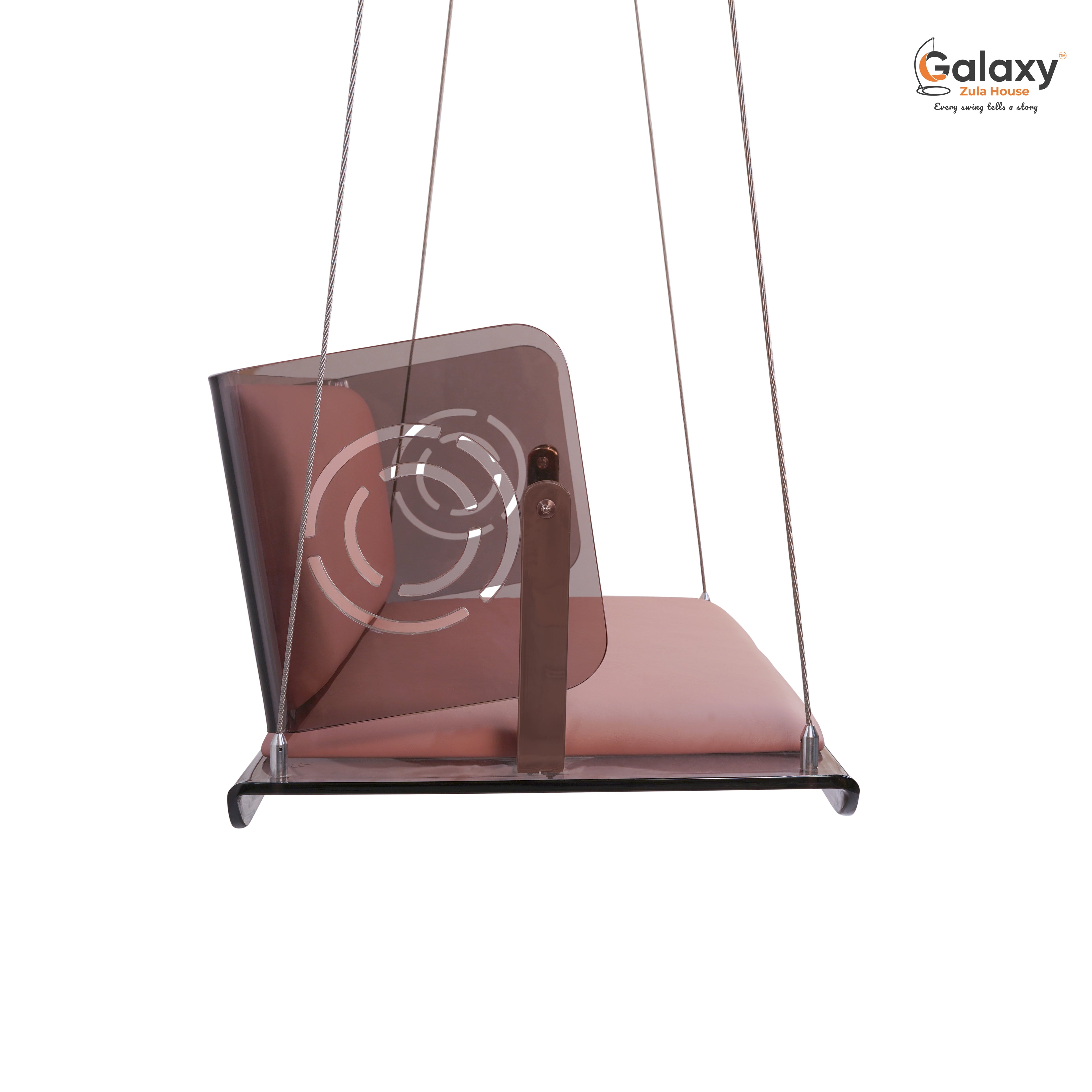
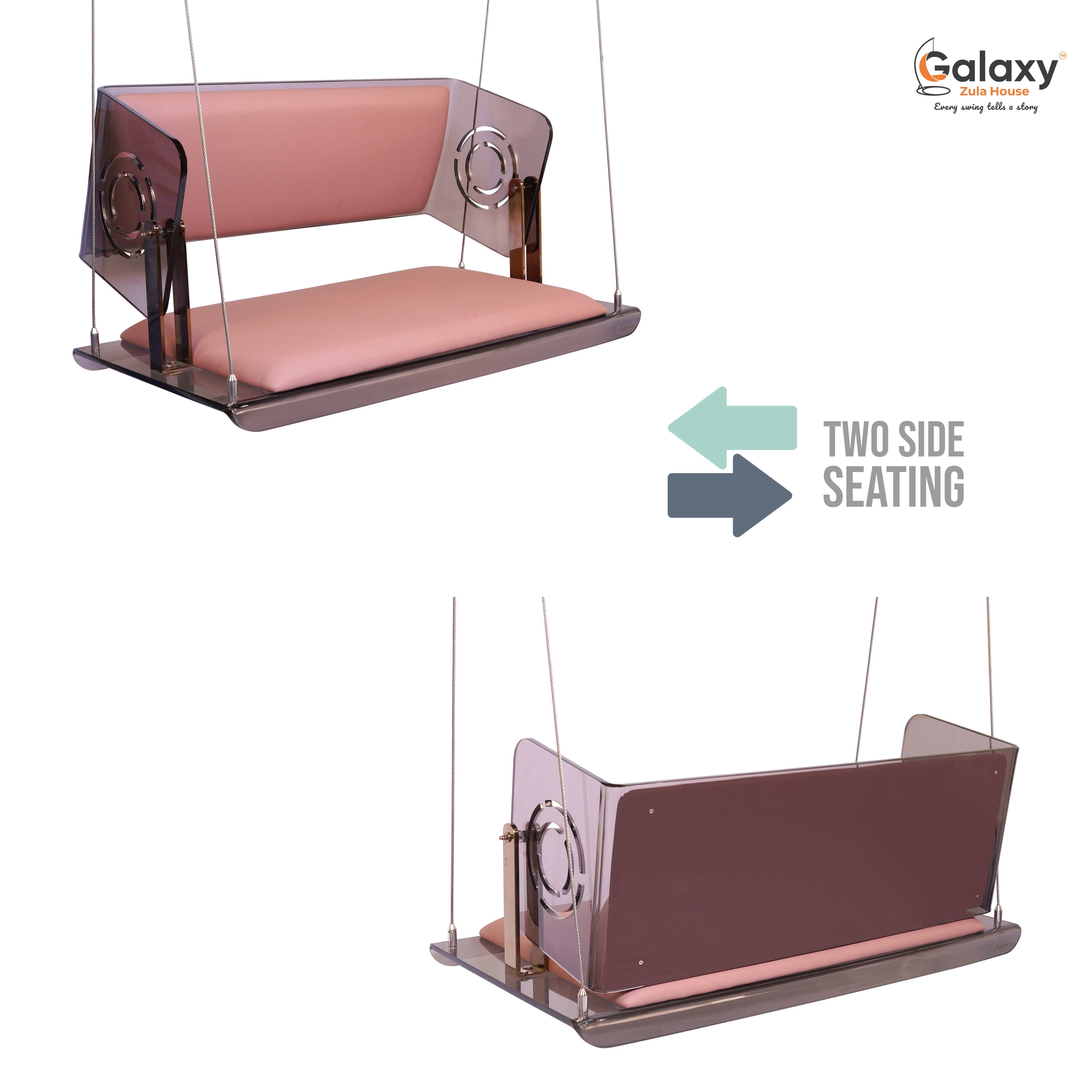
PVD Coating Swings – Gold, Rose Gold & Black Finish



Items 1 to 12 of 12 total
Most swings are either built to last or built to look good. PVD coating swings from Galaxy Zula House are both, and that is genuinely rare to find in one product.
PVD, or Physical Vapour Deposition, is a vacuum-based metal finishing process that bonds a micro-thin layer of titanium or zirconium onto the surface of the swing frame. The result is a finish that is harder than chrome, does not chip or peel like paint, and holds its colour through years of use without fading. It is the same finishing technology used in luxury watches, premium bathroom fittings, and high-end architectural hardware, now available in a swing designed for your home.
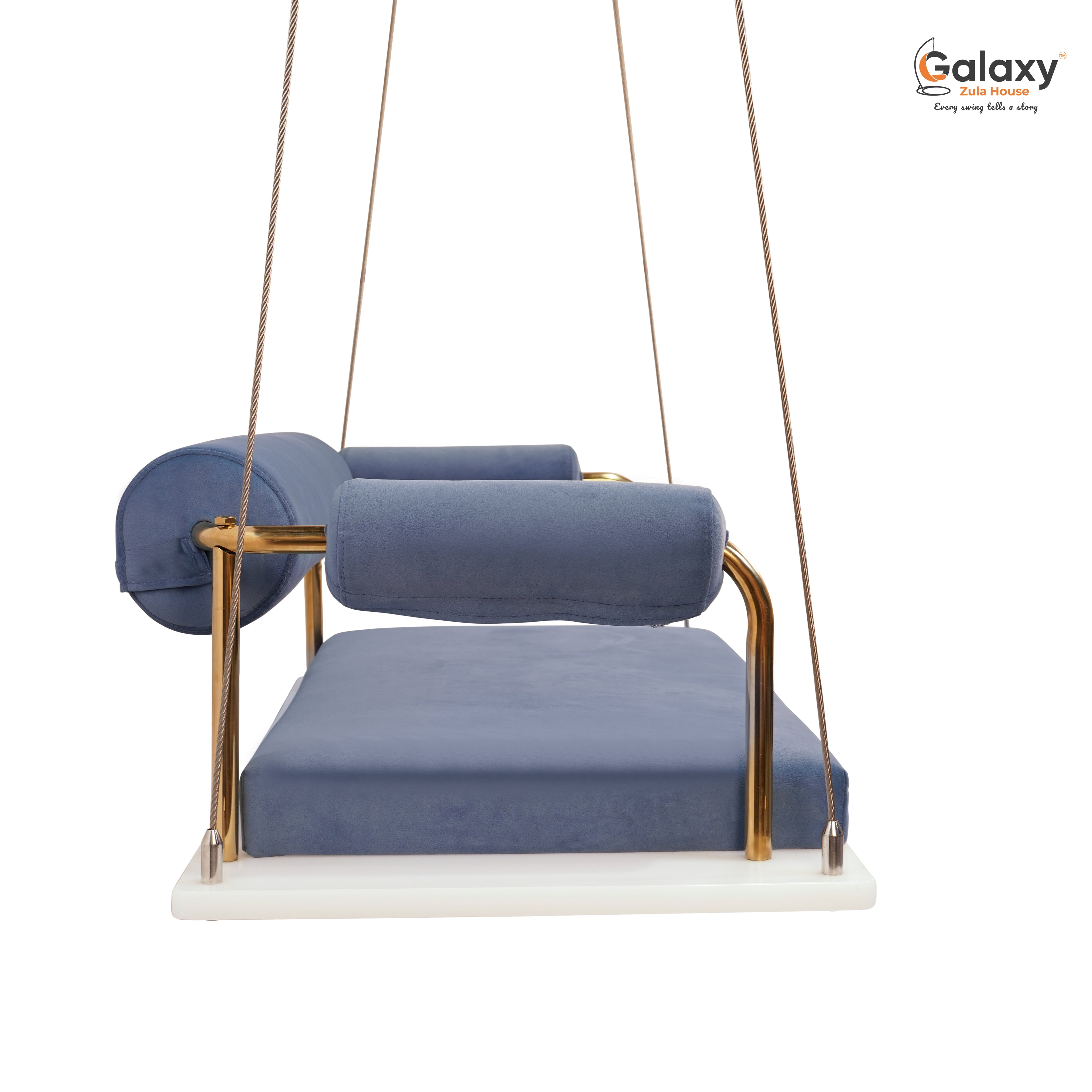
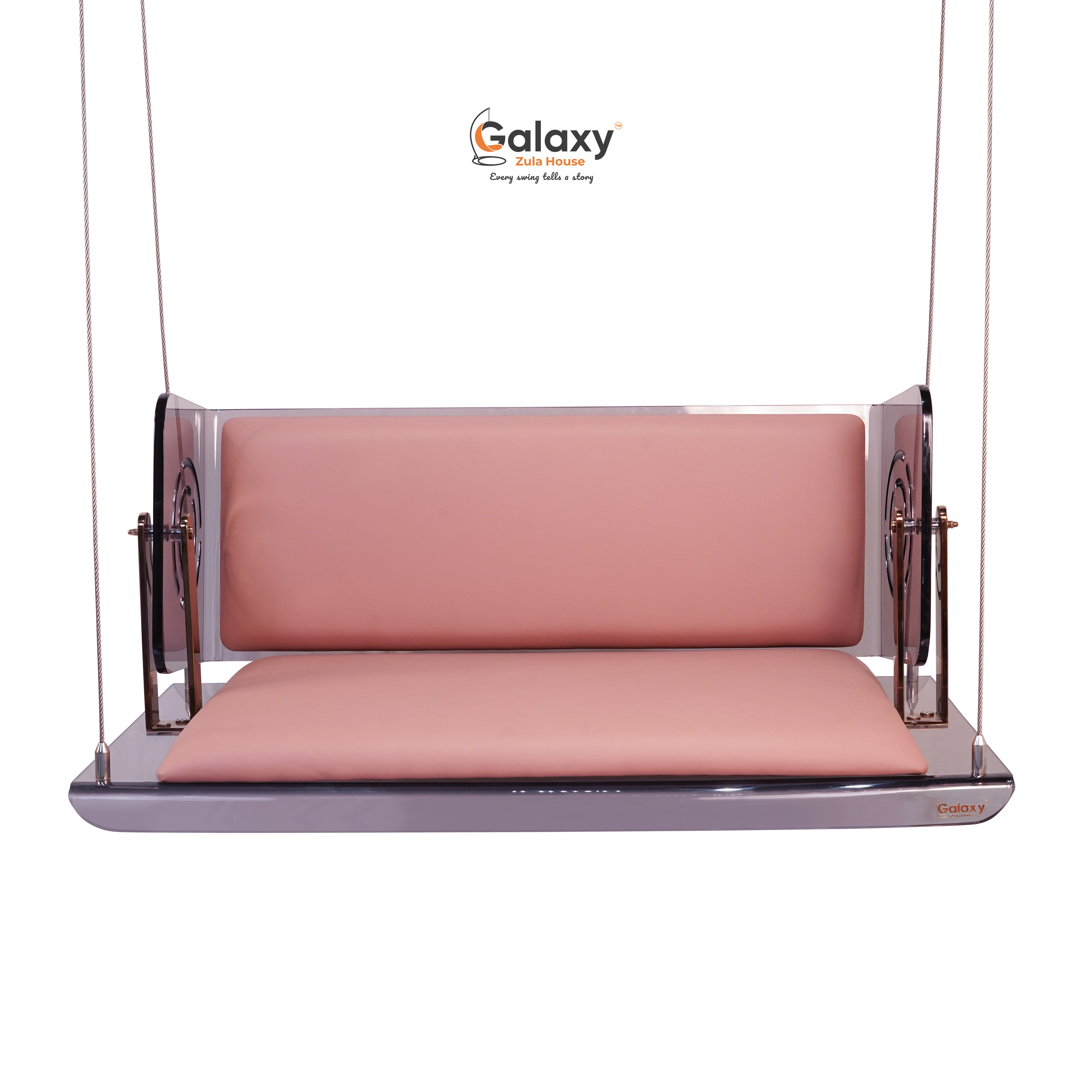
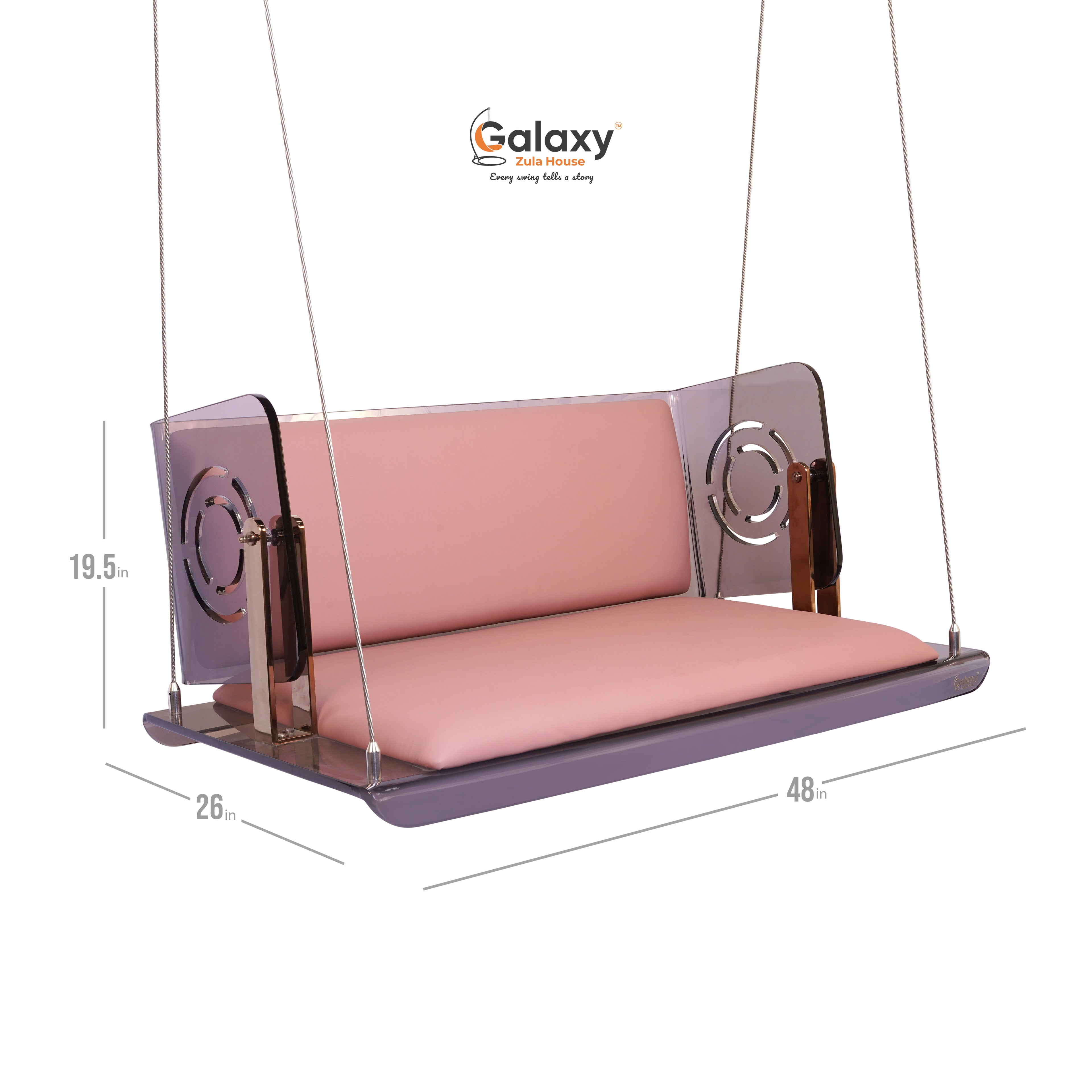
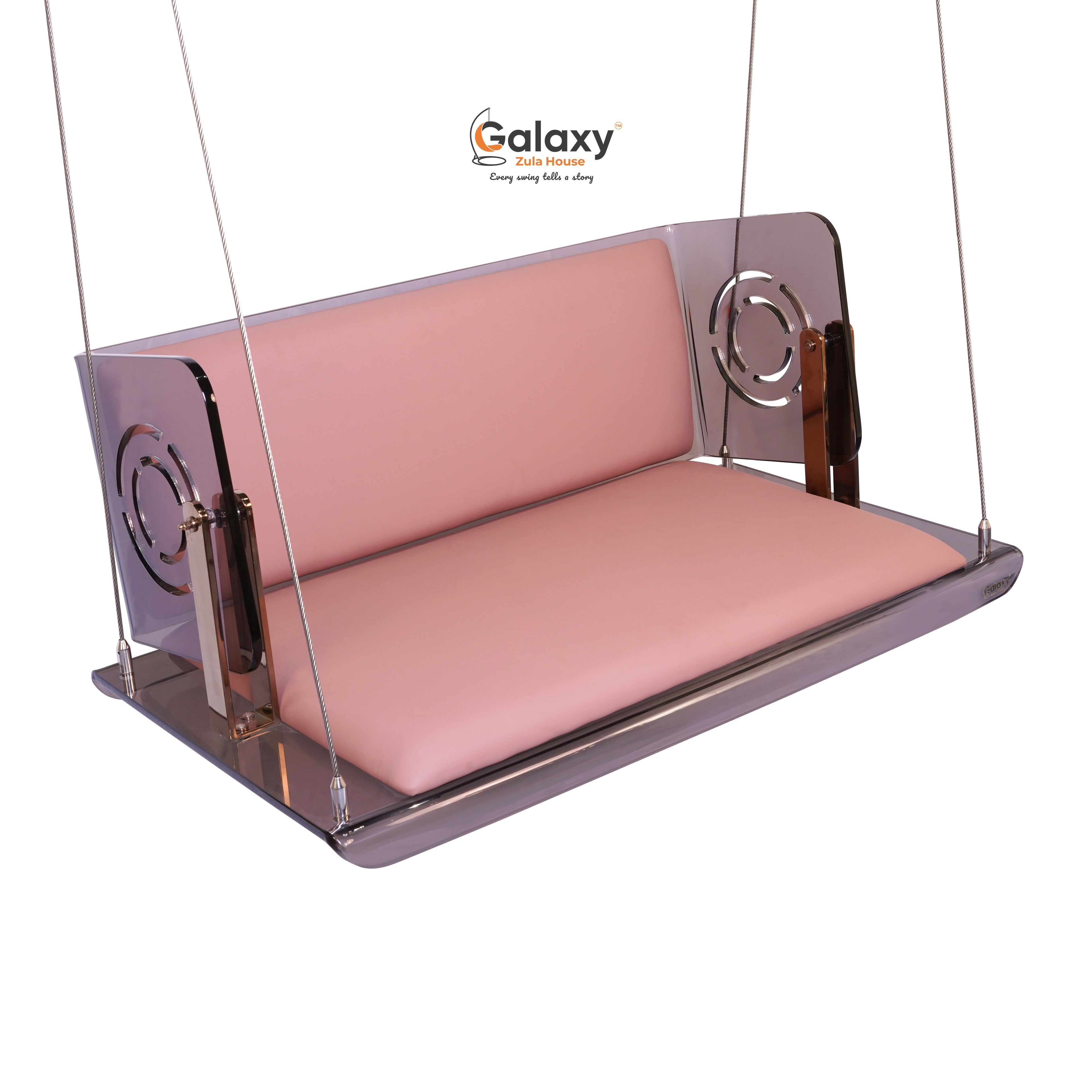
This collection includes PVD coating swings in three finishes: Gold, Rose Gold, and Black, built on two base materials: SS 304 stainless steel and solid wood. The PVD finish extends across the entire swing including the frame, fittings, and ropes, so every visible element holds the same colour and finish consistency. No rust-stained chains against a gold frame. No mismatched hardware. The whole swing, top to bottom, is finished as one cohesive piece.
Whether you want the warmth of a gold-finished wooden jhula for your living room or a sleek black SS frame for your balcony or garden, you will find it here.
Gold PVD is the most sought-after finish for Indian interiors. It pairs naturally with warm-toned rooms, traditional decor, marble floors, and pooja spaces. On a wooden base, it gives a regal, handcrafted feel. On a stainless steel frame, it reads more contemporary, polished and deliberate.
Rose Gold PVD sits between gold and blush, warm but softer. It works particularly well in modern bedrooms, aesthetic living rooms, and balcony setups where you want something elegant without being loud. It photographs beautifully too, which matters if you are setting up a space with any intention of sharing it.
Black PVD is the boldest of the three. Matte black or glossy black PVD on a stainless steel frame has a very strong visual presence. It suits minimalist interiors, dark-toned rooms, industrial-style spaces, and gardens where you want the swing to be a statement piece rather than blend into the background.
Both base materials can carry PVD coating, but they serve different aesthetics and use cases.
SS 304 stainless steel as a base means the swing is fully weather-resistant underneath the PVD layer. The frame will not rust, warp, or weaken with outdoor exposure. This is the right choice for gardens, open terraces, and balconies that get direct rain or strong sunlight. The PVD finish on top adds an extra layer of UV and scratch resistance.
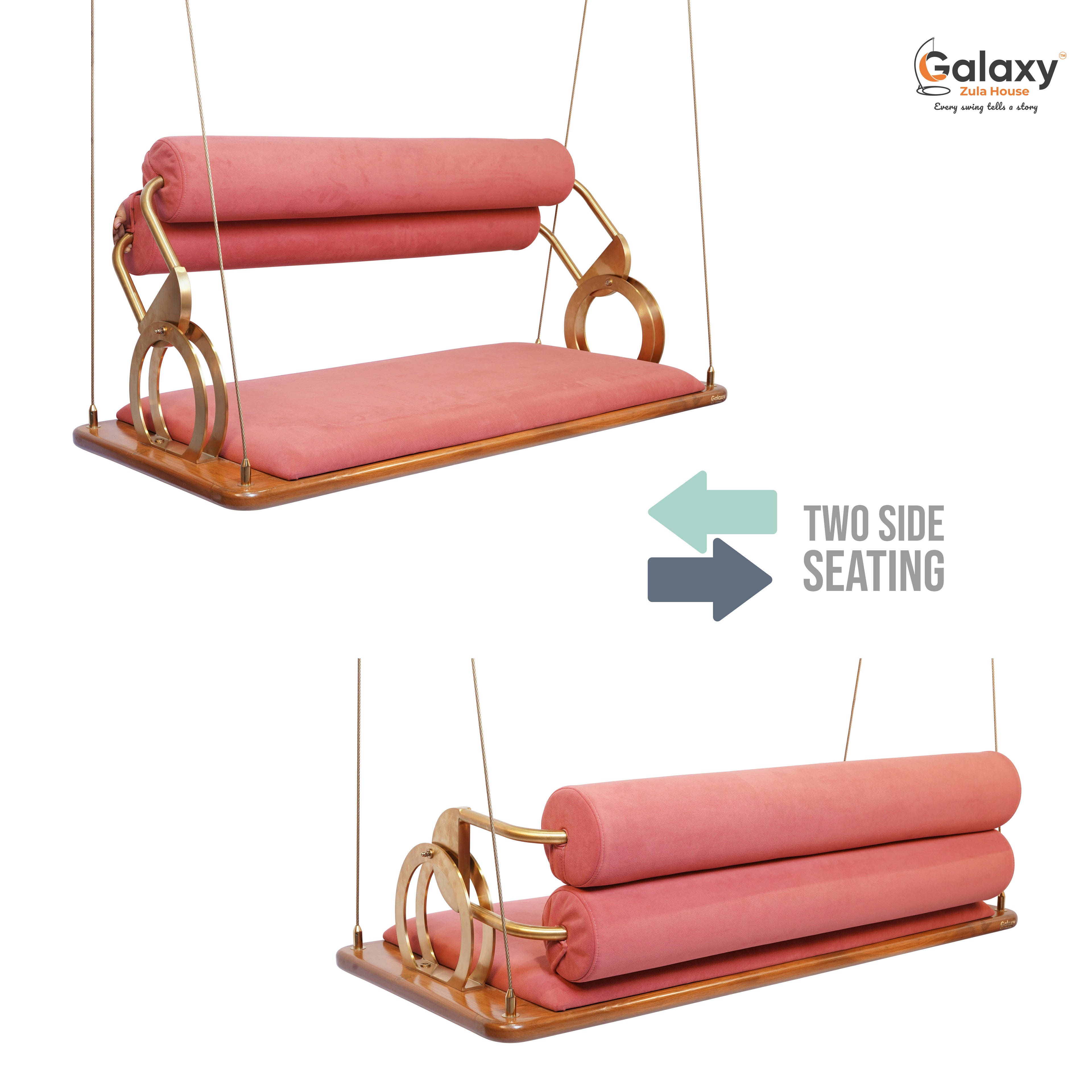
A wooden base with PVD coated accents on arms, chains, ropes, and fittings brings a warmth and texture that pure metal frames cannot replicate. Wood has a natural weight and feel underfoot and in hand that people respond to. This combination suits indoor spaces like living rooms, bedrooms, and covered balconies where the swing will not be directly exposed to heavy rain or sustained moisture.
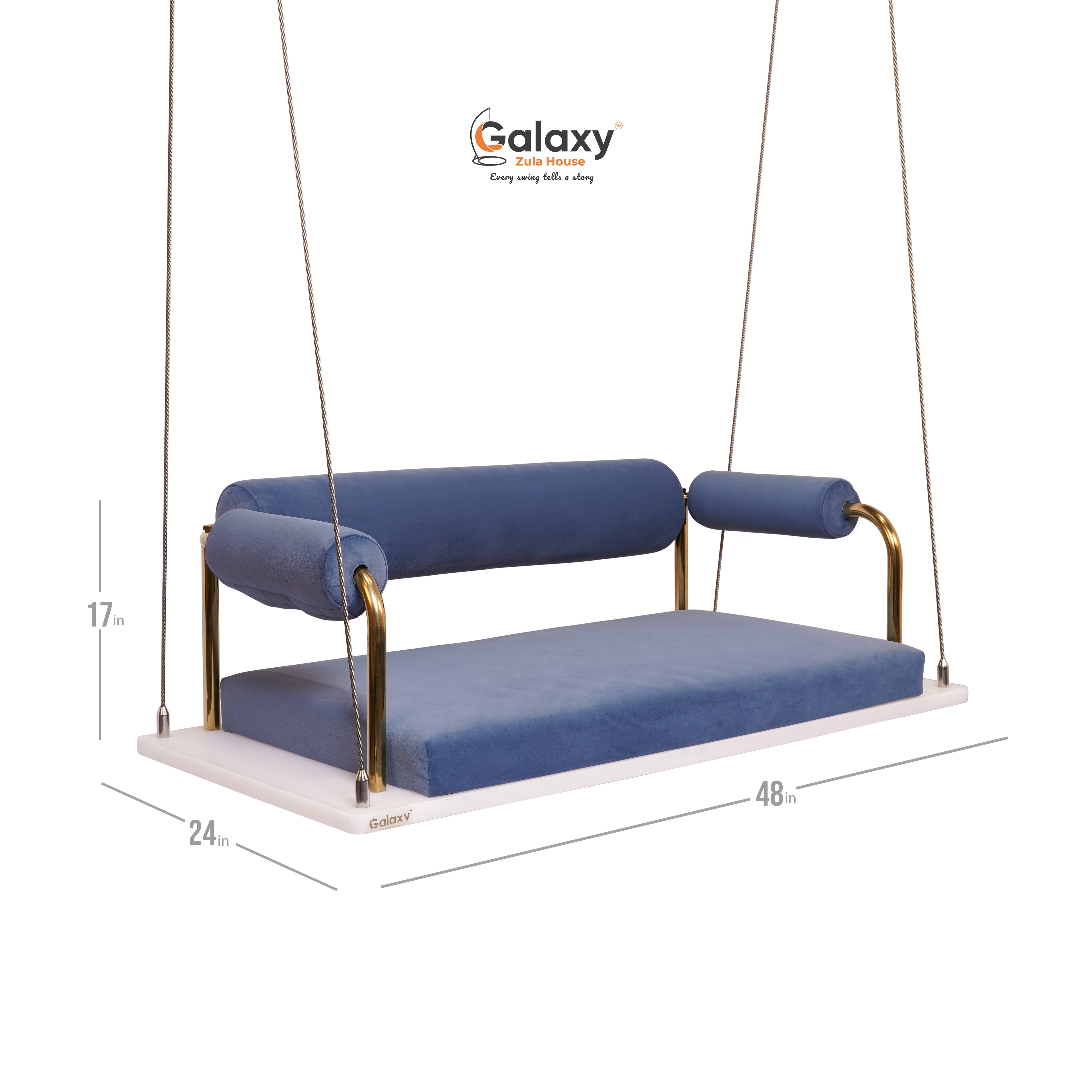
If you are unsure which base suits your space, feel free to reach out before ordering. We are a custom manufacturer, so we can guide you based on your ceiling type, space dimensions, and how the swing will be used.
This question comes up often, and it is worth being direct about it.
Paint and powder coating sit on top of the surface as a separate layer. Over time, especially outdoors, they crack, chip, fade, and peel. Once the coating breaks, the base metal underneath is exposed and starts to corrode.
PVD is a fundamentally different process. The finish is deposited at a molecular level in a vacuum chamber, which means it bonds directly to the base material rather than sitting on top of it. It is 3 to 5 times harder than chrome plating. It does not yellow in UV light, does not peel under moisture, and does not scratch easily under normal use. A PVD finish on SS 304 is genuinely one of the most durable combinations available in swing manufacturing today.
One detail that sets Galaxy Zula House PVD swings apart from most others in the market is that the coating does not stop at the frame. The swing ropes are PVD coated as well. This matters more than it sounds. On a standard swing, even if the frame is premium, untreated metal ropes or chains oxidise over time, leaving rust marks on walls, floors, and cushions. PVD coated ropes stay consistent in colour and finish with the rest of the swing, giving you a fully cohesive look from top to bottom with no staining and no mismatched hardware.
These swings are for people who have already decided they want something better than standard. If you are comparing PVD coating swings, you are likely furnishing a home where the details matter and where the finish on the swing frame needs to hold up against the rest of the room.
This collection suits newly built or renovated homes looking for a statement piece in the living room. It works for covered balconies and garden setups where both look and weather resistance matter. It fits gifting occasions too. A PVD coated jhula is one of those housewarming or wedding gifts that people genuinely remember.
Custom sizing, custom finish combinations, and bespoke designs are available. Contact us before ordering if you have something specific in mind.